Articles
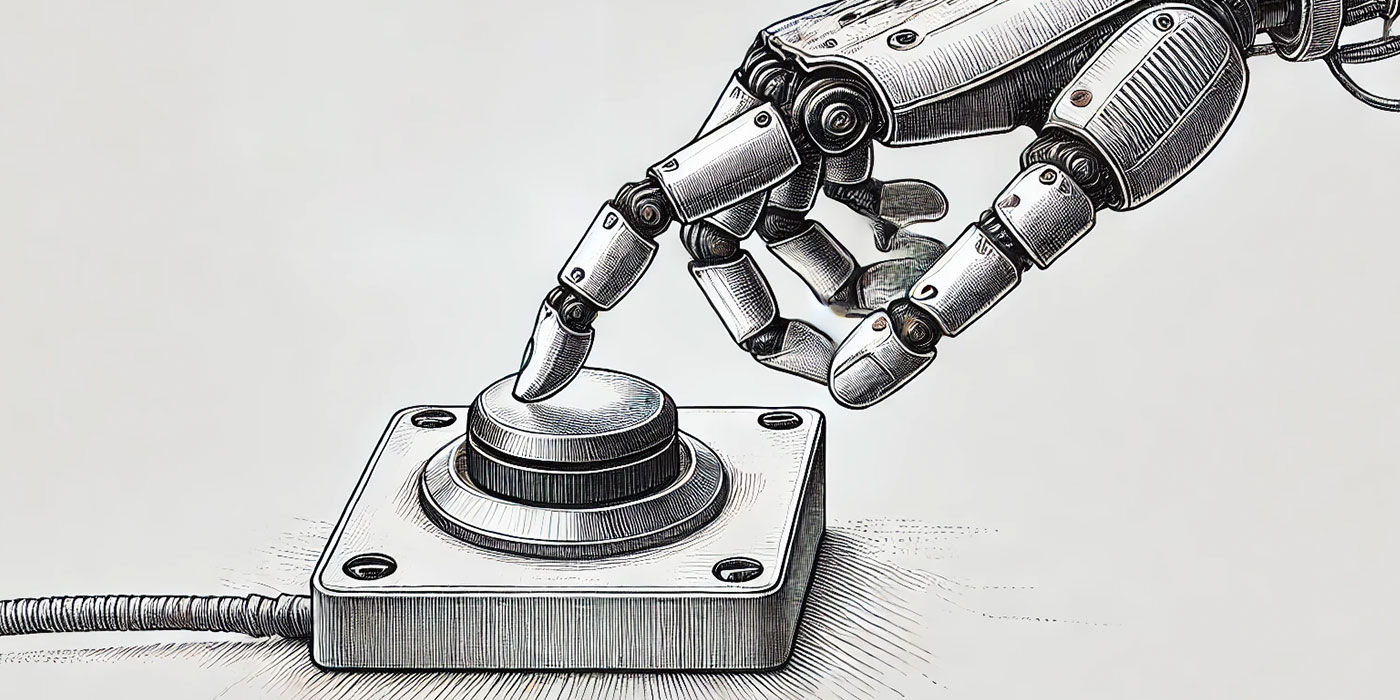
AI Will Revolutionize Accessibility
AI Will Revolutionize Accessibility
AI will transform accessibility by making everyday digital products automatically usable for people with impairments.
AI will transform accessibility by making everyday digital products automatically usable for people with impairments.
Read More...

UX, Agile, and Healthcare Innovation Projects
UX, Agile, and Healthcare Innovation Projects
An interview: Exploring of how integrating user-centered UX design with Agile methodologies can accelerate and improve innovation in healthcare projects.
An interview: Exploring of how integrating user-centered UX design with Agile methodologies can accelerate and improve innovation in healthcare projects.
Read More...
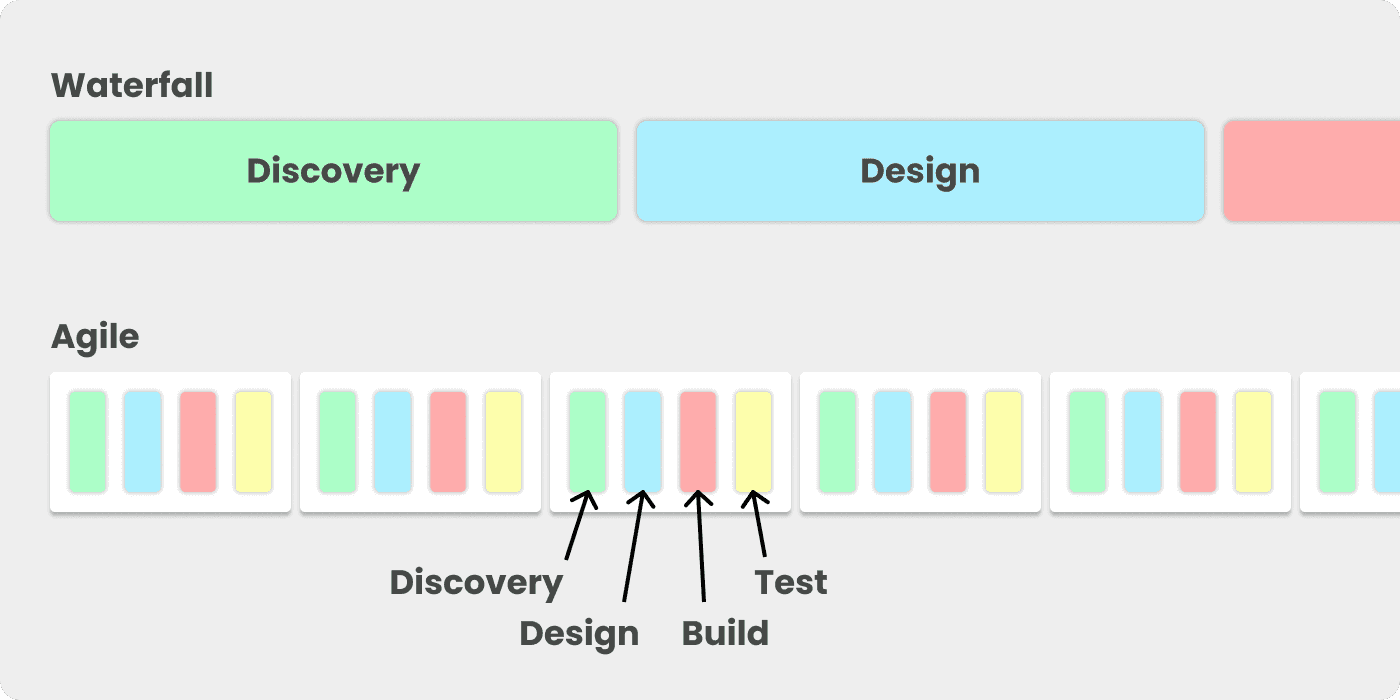
How UX Fits in an Agile Framework
How UX Fits in an Agile Framework
An explanation of how embracing an Agile approach in product design lets UX teams deliver value early through incremental, test-driven iterations rather than aiming for perfection on the first try.
An explanation of how embracing an Agile approach in product design lets UX teams deliver value early through incremental, test-driven iterations rather than aiming for perfection on the first try.
Read More...
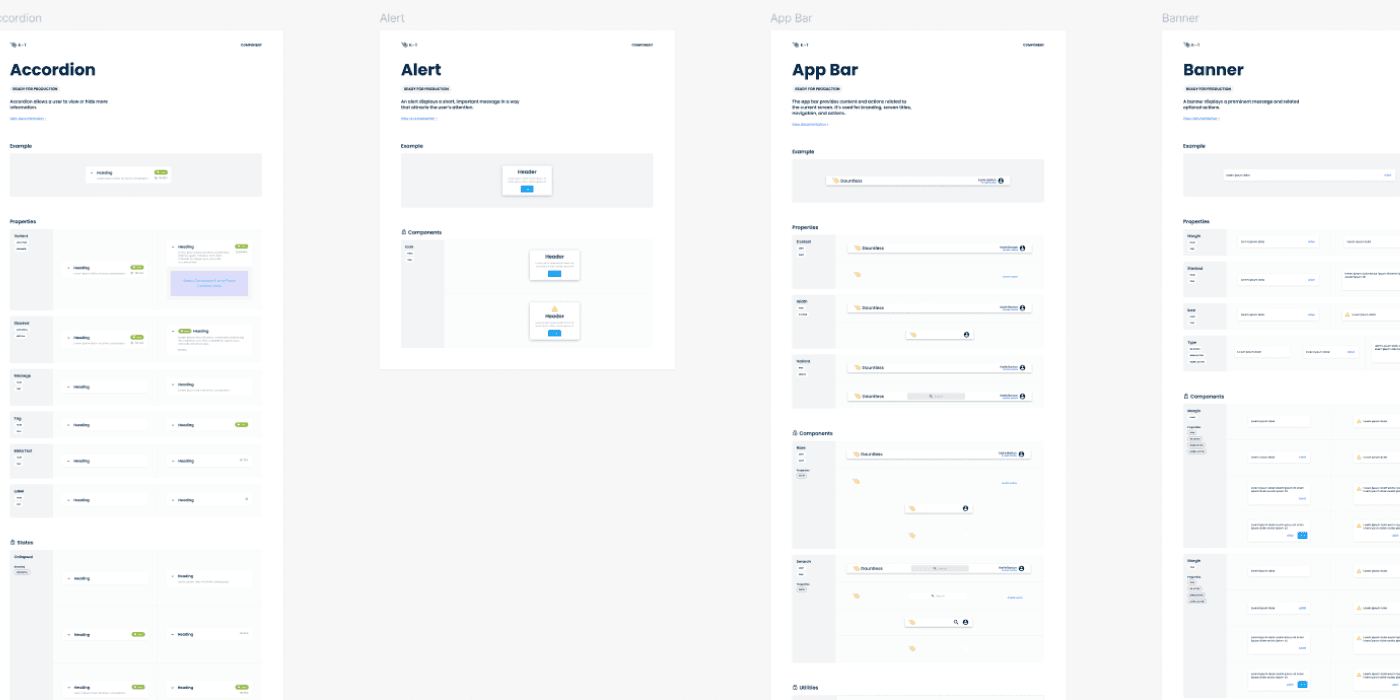
Why build design systems?
Why build design systems?
Why teams should build a design system as their product and team scale — how it helps manage component complexity, improve consistency, and enable faster, more maintainable design work when a simple component library becomes a bottleneck.
Why teams should build a design system as their product and team scale — how it helps manage component complexity, improve consistency, and enable faster, more maintainable design work when a simple component library becomes a bottleneck.
Read More...
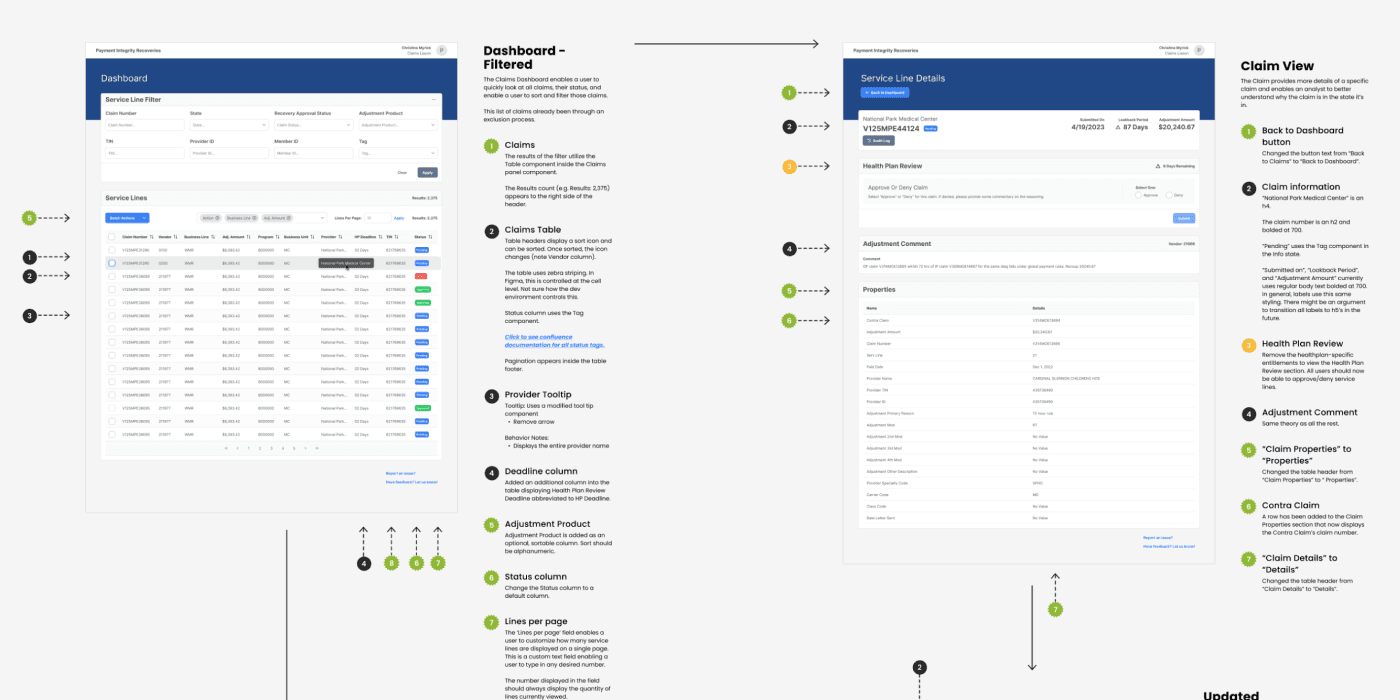
An Introduction To Slicing
An Introduction To Slicing
An overview of the “Slicing” process — a method for breaking down UX design work into incremental, well-documented, stakeholder-aligned “slices” that map cleanly to Agile sprints.
An overview of the “Slicing” process — a method for breaking down UX design work into incremental, well-documented, stakeholder-aligned “slices” that map cleanly to Agile sprints.
Read More...
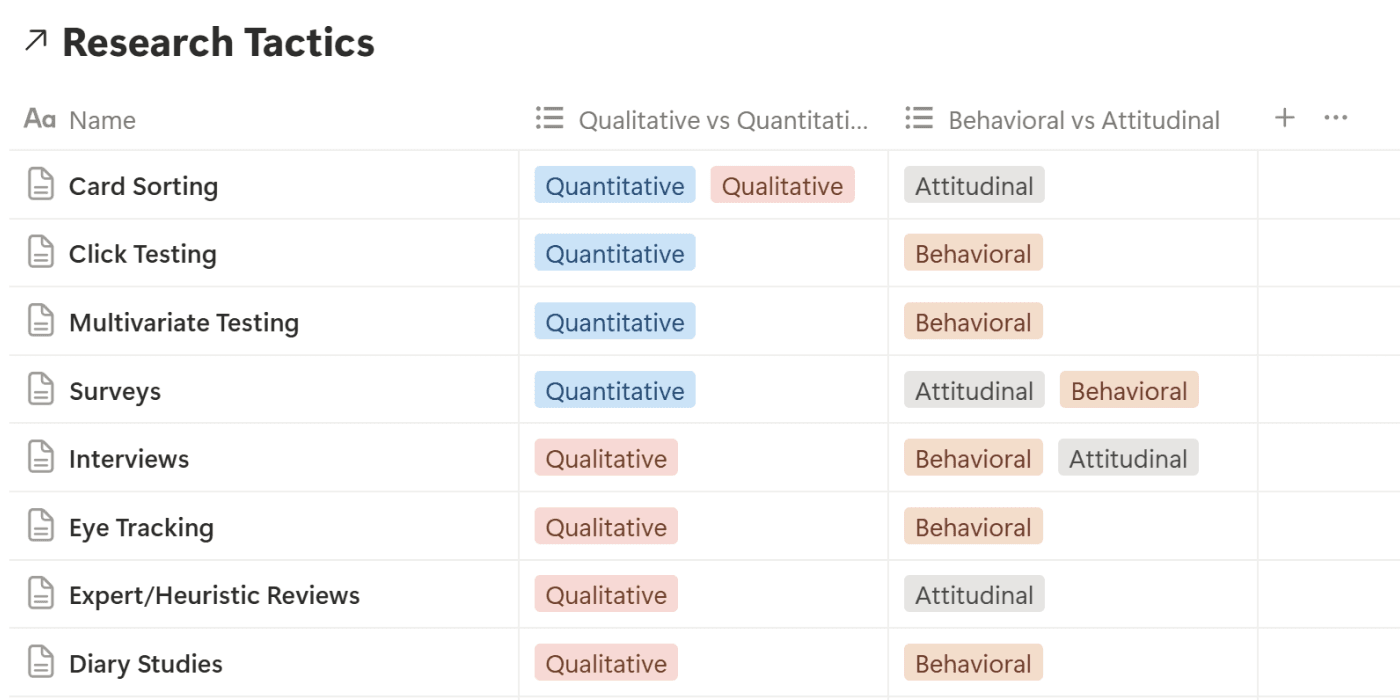
Attitudinal and Behavioral Research
Attitudinal and Behavioral Research
An overview of how “attitudinal” vs “behavioral” research methods differ — with attitudinal focusing on what users think and feel, and behavioral focusing on what they actually do — and guidance on when to use each in UX research.
An overview of how “attitudinal” vs “behavioral” research methods differ — with attitudinal focusing on what users think and feel, and behavioral focusing on what they actually do — and guidance on when to use each in UX research.
Read More...
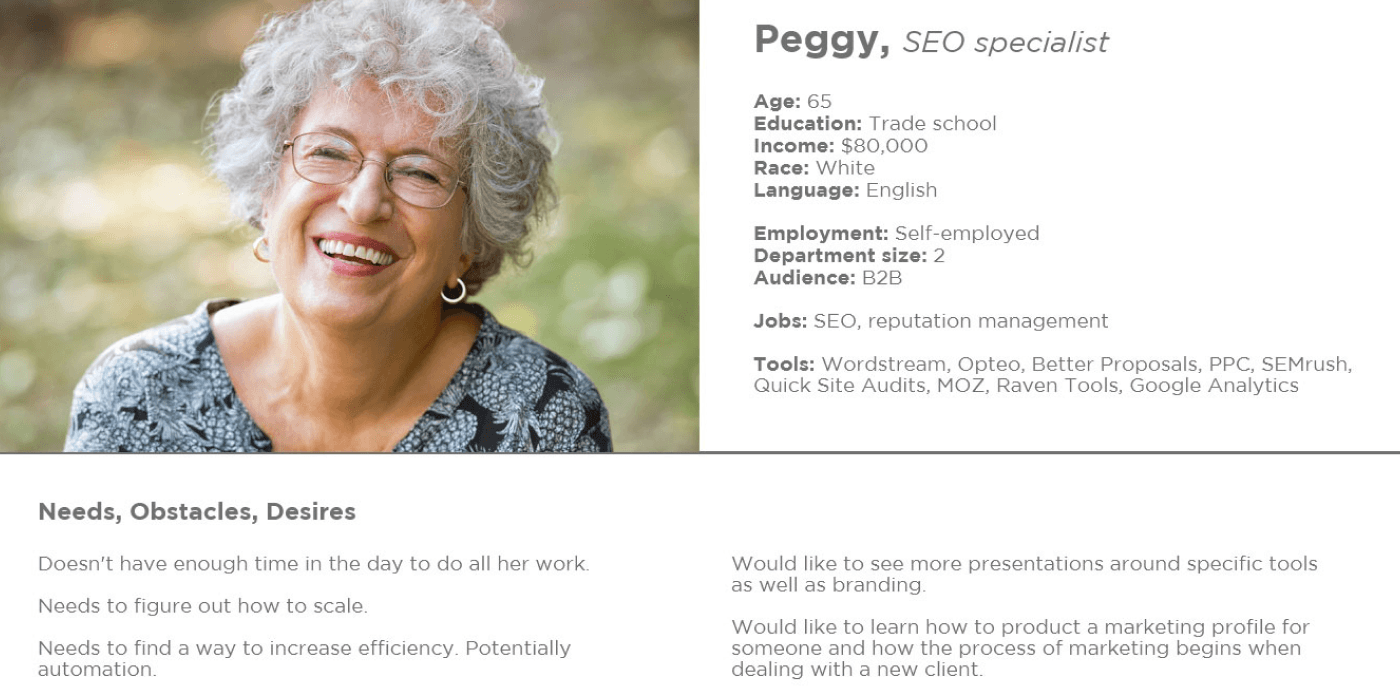
Proto Personas
Proto Personas
Why using a “proto-persona” — a quick, assumption-based user archetype — can help teams start designing user-centered products faster when time or research is limited.
Why using a “proto-persona” — a quick, assumption-based user archetype — can help teams start designing user-centered products faster when time or research is limited.
Read More...
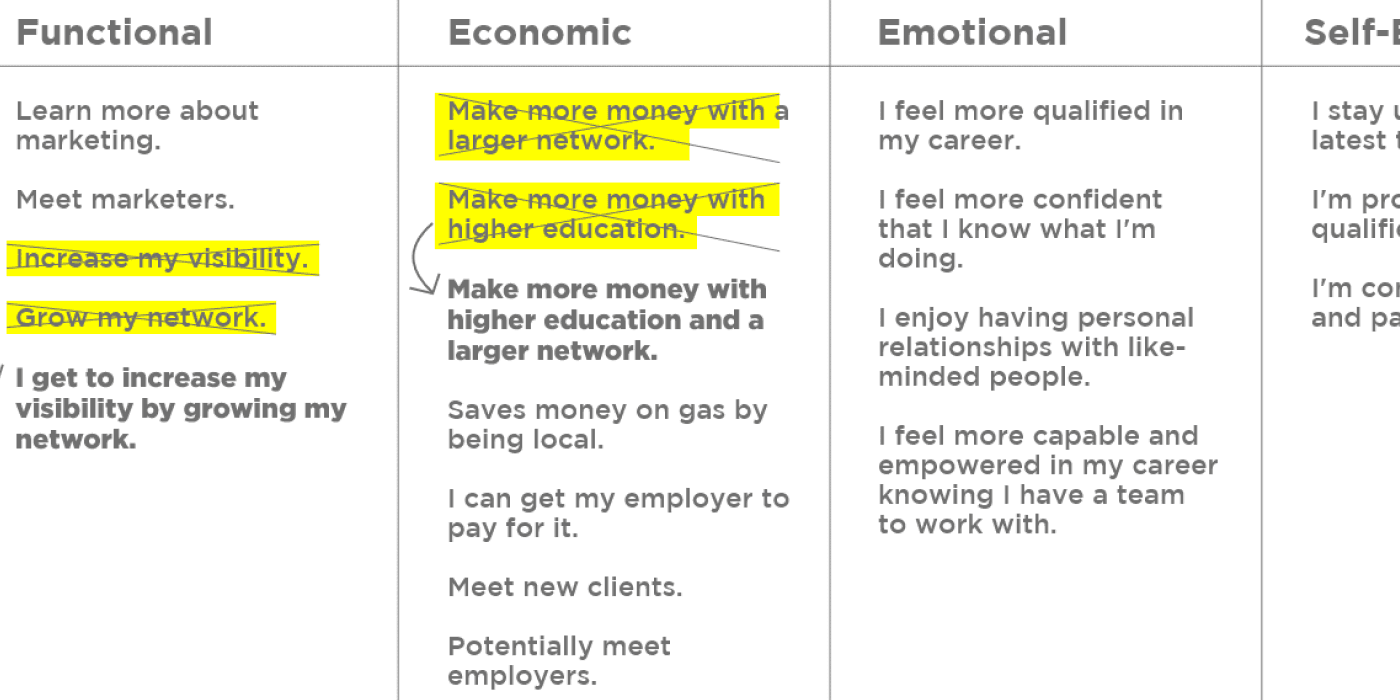
Capturing Brand Drivers
Capturing Brand Drivers
How to systematically identify and prioritize a brand’s core “drivers” — functional, economic, emotional, and self-expressive benefits — to define what truly attracts customers and sharpen the brand’s messaging.
How to systematically identify and prioritize a brand’s core “drivers” — functional, economic, emotional, and self-expressive benefits — to define what truly attracts customers and sharpen the brand’s messaging.
Read More...

When to Interview, Survey, and Focus Group
When to Interview, Survey, and Focus Group
When to use user interviews, surveys, or focus groups — highlighting each method’s strengths and trade-offs for gathering qualitative or quantitative insights from users.
When to use user interviews, surveys, or focus groups — highlighting each method’s strengths and trade-offs for gathering qualitative or quantitative insights from users.
Read More...

Lean, Agile, and Scrum
Lean, Agile, and Scrum
Defining the differences and relationships between Lean, Agile, and Scrum — explaining how Lean minimizes waste, Agile enables iterative value delivery and adaptability, and Scrum layers in structured team communication and cadence.
Defining the differences and relationships between Lean, Agile, and Scrum — explaining how Lean minimizes waste, Agile enables iterative value delivery and adaptability, and Scrum layers in structured team communication and cadence.
Read More...
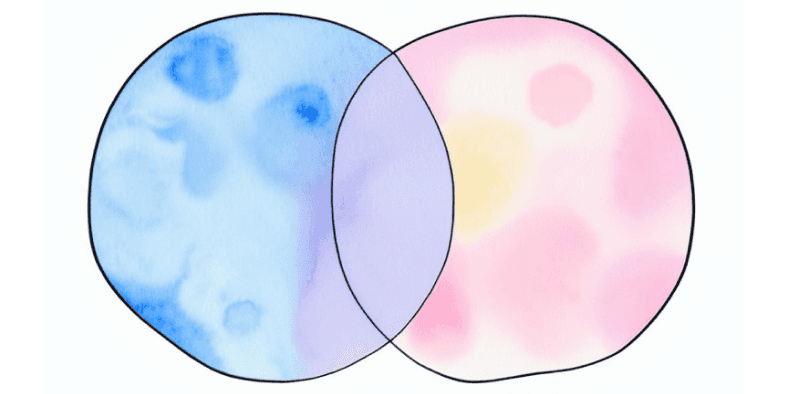
What Is UX Design In Marketing
What Is UX Design In Marketing
How UX design and marketing overlap — arguing that when you view marketing as shaping perceptions and UX as shaping product experience, UX designers can naturally belong in marketing teams because both disciplines use similar tactics (user research, iteration, empathy, perception management) to influence audience behavior.
How UX design and marketing overlap — arguing that when you view marketing as shaping perceptions and UX as shaping product experience, UX designers can naturally belong in marketing teams because both disciplines use similar tactics (user research, iteration, empathy, perception management) to influence audience behavior.
Read More...
Designing the perfect game show
Designing the perfect game show
Reimagining trivia — proposing a new format (Ponder This) that emphasizes deduction, meaningful conversation, and shared discovery over rote memorization to create a deeper, more social “game show” experience.
Reimagining trivia — proposing a new format (Ponder This) that emphasizes deduction, meaningful conversation, and shared discovery over rote memorization to create a deeper, more social “game show” experience.
Read More...

Three Principles Of Persuasion
Three Principles Of Persuasion
Three rhetorical pillars — ethos, pathos, and logos — showing how credibility, emotional resonance, and logical argumentation can together form a powerful foundation for persuasive communication.
Three rhetorical pillars — ethos, pathos, and logos — showing how credibility, emotional resonance, and logical argumentation can together form a powerful foundation for persuasive communication.
Read More...

How ladders alter your marketing strategies
How ladders alter your marketing strategies
How using “ladders” — a mental ranking of brands in a customer’s mind — can guide different marketing strategies depending on whether you’re top, middle, or bottom of that ladder.
How using “ladders” — a mental ranking of brands in a customer’s mind — can guide different marketing strategies depending on whether you’re top, middle, or bottom of that ladder.
Read More...
My 5 Most Influential Books
My 5 Most Influential Books
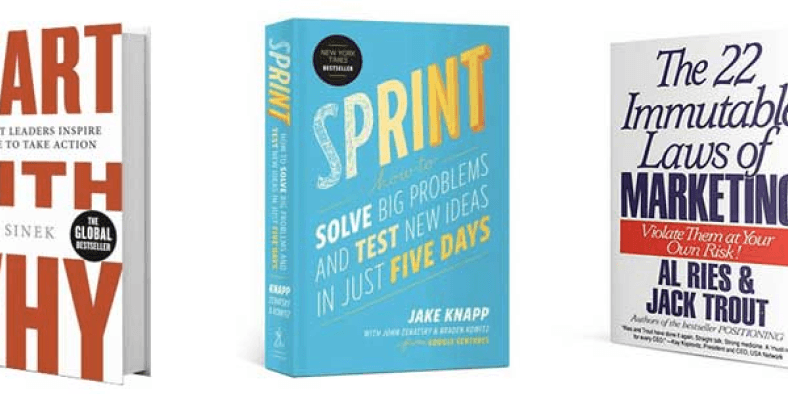
Reflection on five books that most shaped the my approach to design, product thinking, leadership, and marketing.
Reflection on five books that most shaped the my approach to design, product thinking, leadership, and marketing.
Read More...

What Aristotle Can Teach Us About Marketing
What Aristotle Can Teach Us About Marketing
How Aristotle’s classical rhetorical framework — the appeals of Ethos, Pathos, and Logos — provides a timeless foundation for persuasive marketing through credibility, emotional resonance, and logical reasoning.
How Aristotle’s classical rhetorical framework — the appeals of Ethos, Pathos, and Logos — provides a timeless foundation for persuasive marketing through credibility, emotional resonance, and logical reasoning.
Read More...
Memories on a Graph
Memories on a Graph
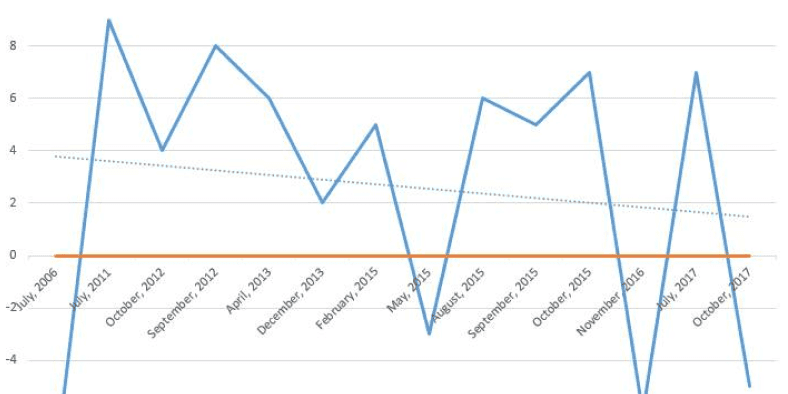
How plotting your life’s most influential memories on a timeline — by “strength” of impact and emotional valence — can reveal recurring themes, turning points, and what truly drives your sense of purpose.
How plotting your life’s most influential memories on a timeline — by “strength” of impact and emotional valence — can reveal recurring themes, turning points, and what truly drives your sense of purpose.
Read More...